

A Technology Center for Industrial Problems

Connecting Engineering with Innovations that Count.

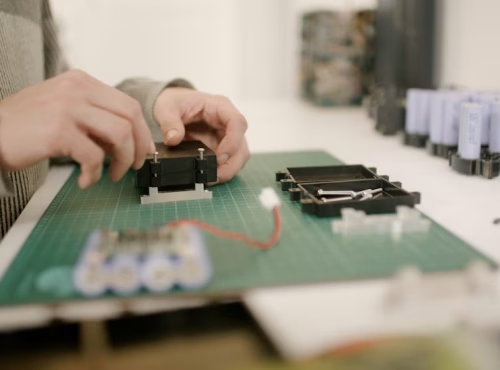
AATL is an industry-focused research center dedicated to bridging engineering gaps through advanced learning and training, supported by specialized laboratories for research, development, and commercialization across broad technology segments such as Mechanical Joining, Adhesive Bonding, and Welding / Fusion, combined with strong Design Engineering and Process Engineering capabilities. The emphasis is on moving away from isolated pockets of expertise within various organizations toward a community-focused enabling structure with a clear mandate and strong visibility.

The objective of AATL is to synergize Industry and Academia by developing a collaborative approach to problem-solving, creating a repository of information that will aid in the easy adoption of advanced joining technologies, quickly troubleshooting joining-related issues, validating new technologies, and certifying new processes, tools, and equipment for fitness for use.

Innovative Solutions

Exploring advanced assembly technologies for diverse industrial applications.

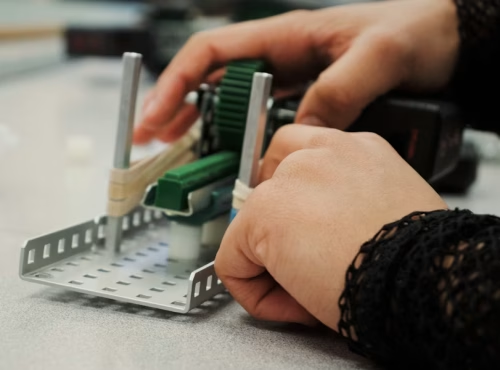
Mechanical Joining

Innovative methods for reliable and efficient mechanical connections.

photo-1612300857278-a9d36109d258
mechanical fastners

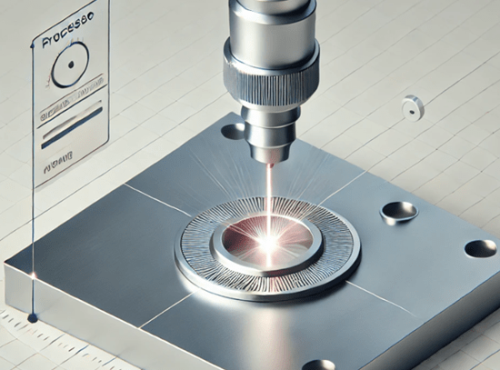
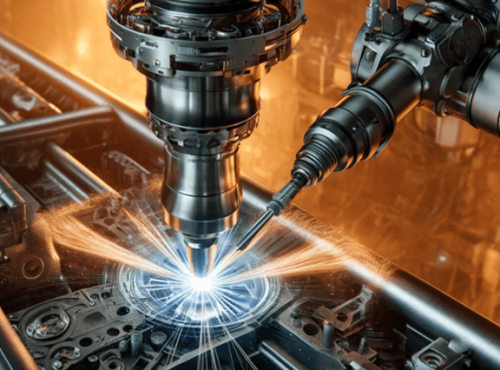
Diffusion Bonding

Developing fundamental physics-informed process optimization and new tools.

diffusion-bonding-1
diffusion-bonding-2

Adhesive Bonding

Revolutionizing bonding techniques for enhanced performance and durability.

lapjoint adhesive
photo-1695712551608-b118cc5a39e4

Diffusion Bonding

Developing fundamental physics-informed process optimization and new tools.

diffusion-bonding-1
diffusion-bonding-2

Featured Events

UAV Design Autonomy with Composite Structural Assembly
Our research uses localised Machine Learning (ML) to accelerate the design and optimisation of composite materials for UAV structures, reducing reliance on extensive material data and enabling the future autonomous design of UAVs.

Human Cognitive Functional Graph for AI
My research at AATL uses AI to automatically analyse thousands of scientific papers on the human brain, extracting key functions and their execution sequence. The long-term goal is to create a structured map of the brain's complete processing pathway, from stimulus to decision or action.

Scroll to Top